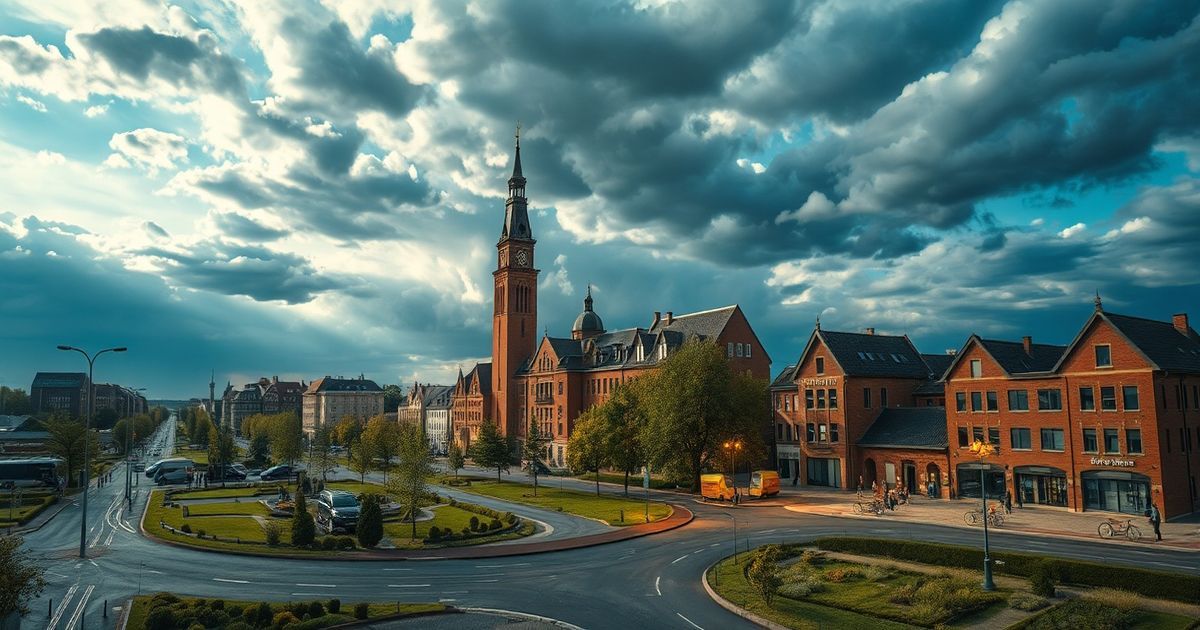
Nestled in the heart of the Ruhr region, Bochum stands as a testament to successful urban transformation. Once defined by coal mines and steel production, this vibrant German city has reinvented itself into a cultural powerhouse where industrial heritage meets contemporary innovation. With a population of approximately 370,000, Bochum offers visitors an authentic glimpse into Germany’s evolving identity—where historical authenticity and modern vitality coexist seamlessly. Whether you’re drawn by industrial archaeology, theater traditions, or simply seeking an offbeat German destination, Bochum delivers an experience far removed from typical tourist trails.
History and Industrial Heritage of Bochum
The story of Bochum is inseparable from the industrial revolution that shaped the entire Ruhrgebiet. First documented in 1041, the city remained a modest settlement until the 19th century when coal discoveries triggered explosive growth. By 1900, Bochum had become one of Germany’s most important industrial centers, earning the nickname “the workshop of the Reich.”
The city’s industrial legacy is visible at every turn. The German Mining Museum Bochum, one of Germany’s premier technological museums, offers a fascinating journey through 600 years of mining history. The Zollern Colliery, now a designated industrial monument, showcases spectacular brick architecture that earned it recognition as “the most beautiful coal mine in the world.” These sites aren’t mere relics—they’re immersive experiences where visitors can descend into authentic mine shafts and understand the human stories behind Europe’s industrial might. According to Wikipedia, the city’s transformation from industrial powerhouse to cultural center represents one of Europe’s most successful urban renewal projects.
Top Attractions in Bochum
Industrial Heritage Trail
The Route der Industriekultur (Industrial Heritage Trail) connects over 25 sites across the Ruhr region, with Bochum serving as a central hub. Key stops include:
- Zeche Zollern: The former “queen of collieries” now hosts concerts, exhibitions, and guided tours through its preserved facilities
- German Mining Museum: Explore the depths of a simulated coal mine and examine over 1,500 exhibits
- Jahrhunderthalle: This former gas power plant, built in 1901, now functions as a spectacular event venue with its Art Nouveau architecture
- St. Peter’s Church: Contrasting with the industrial landscape, this 14th-century church offers a glimpse into medieval Bochum
Cultural Hotspots
Bochum‘s cultural scene rivals cities twice its size. The Bochum Philharmonic enjoys international acclaim, performing at the striking Anneliese Brost Hall. Theater enthusiasts flock to the Schauspielhaus Bochum, consistently ranked among Germany’s top five theaters. The city also hosts the annual Bochum Tattoo Convention, one of Europe’s largest gatherings in its field.
Music lovers shouldn’t miss the Bochum KölnPhilharmonie, where the resident orchestra performs in a building that masterfully blends historical industrial elements with modern design. For contemporary art, the Bochum Art Museum presents rotating exhibitions alongside its permanent collection featuring works from the Ruhr region’s most influential artists.
Living in Bochum: A Modern Urban Experience
What makes Bochum truly special is its livability. The city consistently ranks high in quality-of-life surveys, offering residents:
- Excellent public transportation: The VRR network connects Bochum to all major Ruhr cities within minutes
- Green spaces: Westpark and Stadtpark provide oases of tranquility, while the Bochum Botanical Garden showcases over 5,000 plant species
- Educational excellence: Ruhr University Bochum, with over 40,000 students, is one of Germany’s largest and most prestigious institutions
- Affordable living: Compared to Munich or Hamburg, Bochum offers significantly lower costs while maintaining urban amenities
The city’s culinary scene reflects its diverse population. Traditional German pubs serve schnitzel and local Ruhr Valley beers alongside Turkish döner shops, Vietnamese pho restaurants, and innovative farm-to-table concepts. The Bochum market hall in the city center provides a daily showcase of regional products, from Westphalian ham to craft cheeses.
Economic Landscape and Innovation
Today’s Bochum has diversified far beyond its industrial roots. The city has become a hub for:
- Information technology: The Bochum Agency for Innovation and Technology supports over 200 tech startups
- Medical technology: The Bochum University Hospital is a leader in research and specialized care
- Renewable energy: Former industrial sites now host solar farms and green energy research facilities
- Creative industries: Design studios, media companies, and gaming studios thrive in converted factory spaces
This economic transformation has created a dynamic environment where historical preservation and forward-thinking development coexist. The Bochum City Council’s strategic plan emphasizes sustainability, digital infrastructure, and cultural investment as pillars for future growth.
Practical Travel Information
Reaching Bochum is effortless thanks to its central location. The city lies at the intersection of the A40 and A44 motorways, just 20 minutes from Essen and 30 minutes from Düsseldorf. Bochum‘s main train station offers direct connections to Berlin, Hamburg, and Frankfurt.
For accommodation, options range from budget-friendly hostels near the university to four-star hotels in the city center. The Bochum Welcome Center provides free tourist information and can assist with itinerary planning. The best times to visit are May through September, when outdoor festivals and open-air concerts maximize the city’s vibrant atmosphere.
Bochum represents the new face of the Ruhr Valley—a city that honors its past while confidently embracing the future. Its unique blend of industrial monuments, cultural institutions, and green spaces creates an authentic German experience without the tourist crowds. Whether you’re exploring the depths of a former coal mine or enjoying a concert in a converted power plant, Bochum offers a compelling narrative of reinvention that resonates far beyond Germany’s borders. For more insights, explore our resources on European travel destinations.
As you plan your German adventure, consider how Bochum‘s story mirrors broader themes of urban renewal and cultural resilience. This city proves that industrial heritage, when thoughtfully preserved and creatively repurposed, can become the foundation for vibrant, sustainable communities. Learn more on our site about similar transformative cities across Europe, and discover why Bochum deserves a prominent place on your travel itinerary.